
Get Lost . Find Yourself .
There are places you stay and places that stay with you.
Hopeland is the latter.
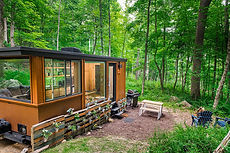
A historic farm turned intimate retreat, Hopeland offers romantic tiny homes, immersive nature, and beautifully restored spaces set within a 100+ acre preserve in the Hudson Valley. It’s peaceful without being remote, luxurious without being showy, and deeply human in a way guests feel the moment they arrive. Whether you’re celebrating love, escaping the noise, or simply resting, Hopeland invites you to arrive as you are and leave restored.



Our Story
Long before Hopeland had it’s name, it had its purpose. In 1774, an entrepreneur named David Horton stood beside clear, rushing water and dense woodland alive with wildlife. He saw beauty and possibilities. Using the natural power of the streams and forests, Horton built the Horton Grist and Saw Mills, and soon people followed. Wagons rolled in. Trades flourished. A hamlet grew up around the mills and took on the name Hortontown.
Through the 1800s, Hortontown buzzed with life. Travelers stopped along the Dutchess Westchester Turnpike,
(Peekskill Hollow Road, New York 301, Miller Hill Road),staying at a local hotel or one of two boarding houses. There was a blacksmith hammering iron, a sled-runner shop crafting winter speed, a general store, a U.S. Post Office, and the Calvary Methodist Church standing watch over the community. For a time, this little crossroads was a world of its own. But time moves on, and by 1924, the mills had gone quiet. Only the millstones remained, half-sunken into the earth like punctuation marks at the end of a chapter.
Then came a new beginning.
An inventor and newspaper reporter named Harry St. John Cooke, fresh from selling one of his inventions—the
precursor to the modern fire extinguisher—purchased sixty acres here with his wife Doris. They didn’t see an abandoned mill site. They saw hope. Together, they founded the Hopeland Rest Camp for Boys, a summer refuge for impoverished children. For decades, Hopeland Rest fed, cared for, and inspired hundreds of boys. Governors and senators visited. Babe Ruth himself once walked these grounds. Laughter echoed through the fields. Campfires burned. Lives were changed. When Harry retired in the 1950s, Hopeland had already lived up to its name.
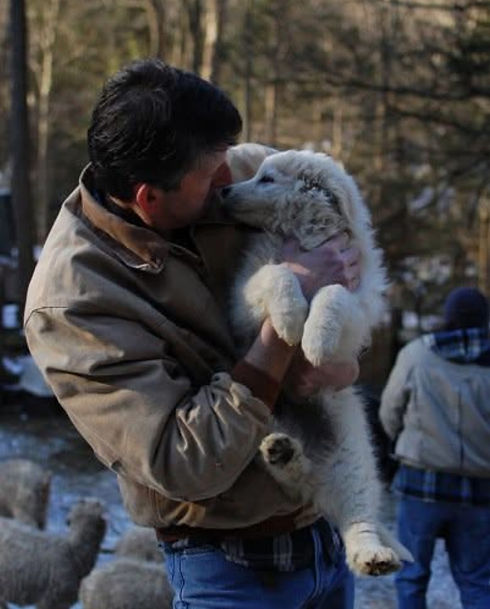
In the 1990s, the land found its next steward—Harry’s grandson, Pat. With a deep respect for what had come before,
he began protecting and reuniting the surrounding landscape: acquiring the old Stevens farm, preserving the historic church up the road, and returning agriculture to the land. Sheep and goats once again grazed the fields, and Hopeland became home to the first fiber CSA in the country, spinning old traditions into something new. The most recent chapter belongs to Pat and his wife and partner, Christine.
Together, they reimagined Hopeland as a place of gathering, rest, and creativity—a first-of-its-kind glamping
retreat, nestled within a 100+ acre nature preserve, threaded with stone walls and woodland trails worn smooth by centuries of footsteps. They painstakingly restored the historic church to its 1845 appearance, bringing it back to life as a space for weddings, celebrations, and intimate overnight stays.
They also built a 3,000-square-foot gable roof barn, designed as a multi-use agricultural and event space—equal
parts working farm structure and creative hub. Today, the barn is home to Christine’s production company, 4th Wall Productions, and serves as the base for its award-winning summer camp, launched nearly 100 years after Harry first opened Hopeland Rest Camp for Boys—a powerful echo of the land’s original mission to nurture, teach, and inspire the next generation. Each tiny home at Hopeland is its own love letter to the land—thoughtful, romantic, private, and entirely unique. The GlassHouse, perched in nature yet open to the forest, has captured national attention, appearing on The Today Show and in The New York Times. Starry Starry Night with its clear roof to gaze at the skies, Moondance with its immersive views of nature, and The Chapel at Hopeland, a serene, historic and artistic retreat.
From mills to campfires, from wool and stone to hikes, music and performances, Hopeland has always been about
more than land. It has always been about care, creativity, community—and the quiet magic of a place that keeps finding new ways to give back.
Accommodations
Glamping Stays
Step into the world of glamping at Hopeland, where you can immerse yourself in the beauty of nature without sacrificing luxury. Our glamping accommodations are thoughtfully designed to provide a blend of comfort and adventure, offering a unique retreat experience.

Artistic Retreat
Step into a place where history and nature meet in quiet harmony. Surrounded by open woods and wide skies, this stay invites slow mornings, unhurried walks, and moments of stillness that linger long after you leave.

The Barn
Unwind and connect in our versatile barn event space, perfect for hosting gatherings, workshops, and special occasions. With its rustic charm and modern amenities, our barn provides a welcoming environment for creating memorable experiences.

Get in Touch
Interested in experiencing the tranquility of Hopeland? Contact our team to book your retreat or to inquire about our event rental options. We're here to assist you every step of the way.